Essential Tips for Effective HVAC Repair
Effective HVAC repair starts with safe basic checks, an accurate diagnosis, and a clear explanation of the proposed work. This article focuses on furnace repair while covering cooling problems, repair estimates, contractor selection, and maintenance. Use it to separate homeowner checks from professional repairs and make a more informed decision when your comfort system stops working.
What should you check before calling for furnace repair?
Before requesting furnace repair, check the thermostat settings, inspect an accessible air filter, and make sure furniture is not blocking supply registers or return grilles. These checks can identify simple operating problems without opening equipment or handling internal components. If they do not restore normal operation, leave further troubleshooting to a qualified technician. (trane.com)
Work through this short checklist:
- Confirm the thermostat mode. Select heating or cooling as appropriate and check that the temperature setting actually calls for operation.
- Inspect the filter safely. Follow the equipment manual for shutting down the system and accessing the filter. Use the specified replacement size and type.
- Check room airflow paths. Move rugs, curtains, and furniture away from registers and return grilles.
- Record the symptoms. Note when the problem began, which rooms are affected, and any visible error code. Share these observations when booking service. (trane.com)

Do not clean burners, adjust gas valves, bypass safety switches, or repeatedly reset a furnace that will not ignite. Ignition lockouts can involve flame sensing, fuel pressure, overheating, or venting problems; restarting the equipment does not resolve the underlying cause. Follow the manufacturer’s instructions and arrange professional heating repair when the problem persists. (trane.com)
Put safety ahead of troubleshooting
If you smell gas, leave the home immediately and call 911 or your gas utility from outside, away from the suspected leak. If a carbon monoxide alarm sounds, get everyone outside and call emergency services. Do not stay indoors trying to identify which appliance caused the problem. (cpsc.gov)
Carbon monoxide is odorless and colorless, so the absence of a smell does not establish that a furnace is safe. Install and maintain CO alarms on every level and outside sleeping areas, following the alarm manufacturer’s instructions. Annual inspection of fuel-burning heating equipment is another important precaution, not a substitute for working alarms. (cpsc.gov)
Common problems need diagnosis, not guesswork
Several furnace faults can produce similar symptoms. Ignition problems, restricted airflow, blower issues, and malfunctioning safety controls all belong on a technician’s diagnostic checklist. Describe what the equipment does rather than requesting a particular replacement part; that keeps the service visit focused on finding the cause. (bryant.com)
Weak airflow and uneven room temperatures
A dirty filter or obstructed grille is worth checking first, but persistent airflow problems deserve further investigation. Blower operation and the air distribution system may need professional attention. For example, explain whether every room feels cool or only one bedroom does; that distinction gives the contractor useful context instead of simply reporting that the furnace feels weak. (trane.com)
Failed ignition and repeated shutdowns
A furnace that tries to start and then stops may have an ignition or flame-sensing problem, but other faults can interrupt the sequence too. A technician may review fault codes and inspect the ignition system, fuel supply, venting, and controls. Ask what testing supports the diagnosis and whether another condition caused the component to fail. (trane.com)
Cooling problems and heat pump differences
Air conditioning repair follows a different diagnostic path when the problem involves refrigerant, coils, or drainage. Poor cooling can result from restricted airflow, thermostat issues, refrigerant leaks, or drainage problems. Ask for a diagnosis rather than assuming that adding refrigerant is the answer. (energy.gov)
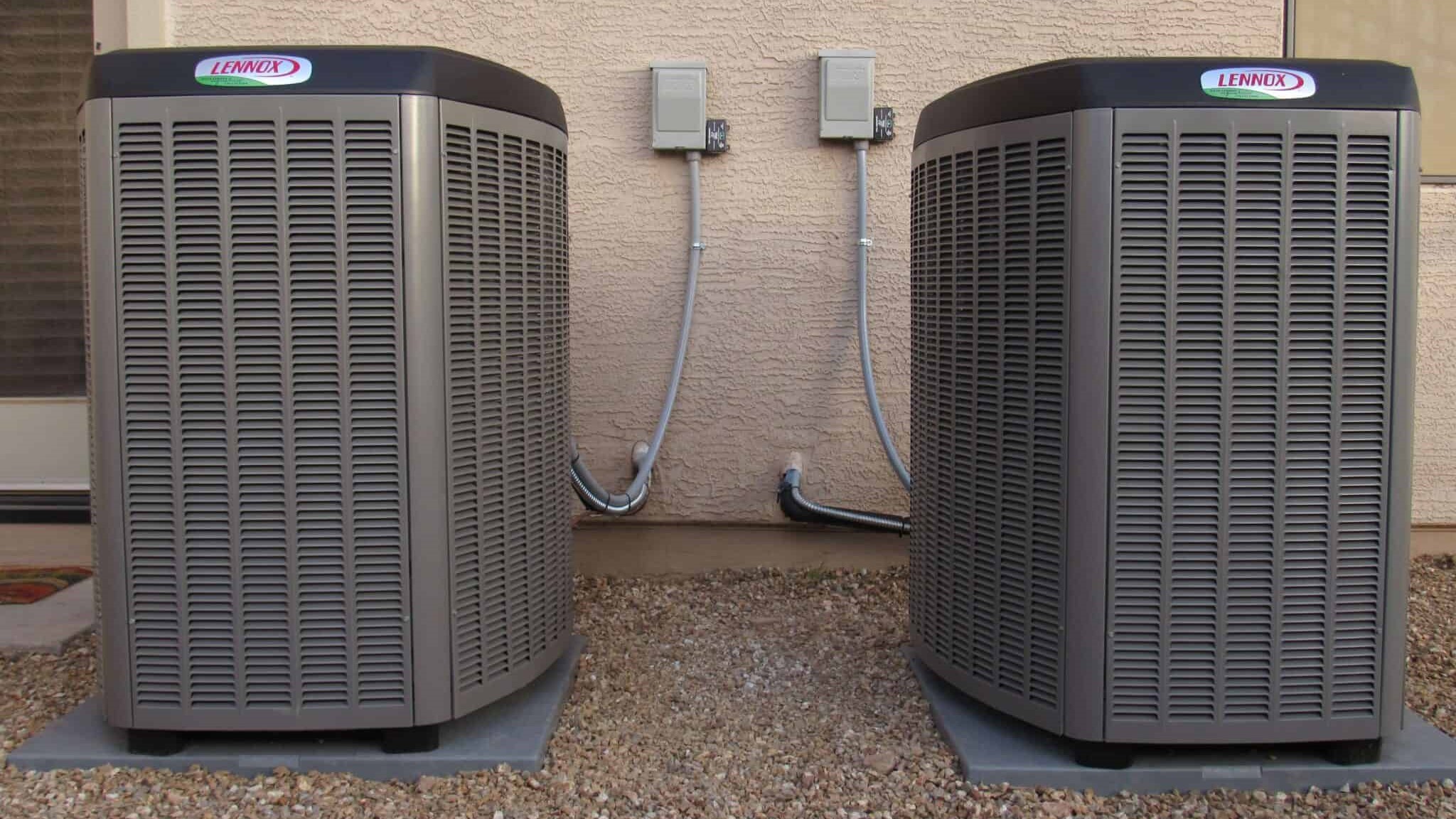
A heat pump is not a furnace: it uses a refrigeration system to provide heating and cooling. Gas furnaces, electric resistance heating, and heat pumps therefore need different troubleshooting approaches. When arranging HVAC service, identify your equipment type and model so the company can confirm that it services that system. (energy.gov)
How much should furnace repair cost, and when is replacement better?
Furnace repair costs depend on the failed component, local labor rates, equipment access, and parts availability; a useful estimate requires diagnosis. Replacement deserves consideration when an expensive repair accompanies poor reliability, declining performance, or an aging system. Compare a written repair proposal with a complete replacement quote rather than deciding from age or one percentage alone. (trane.com)
For context, Trane lists illustrative furnace repair ranges of $100–$250 for an ignitor, $300–$900 for a blower motor, and $1,000–$3,000 for a heat exchanger. These are broad examples, not local quotes or guaranteed totals. Ask whether the proposed price includes diagnosis, labor, parts, and any additional charges. (trane.com)
Use these questions to organize the decision:
- Is the failure isolated? Ask whether the rest of the system is operating properly and what uncertainty remains.
- What does the warranty cover? Request separate explanations of parts coverage, labor coverage, and exclusions.
- What is the repair history? Compare the current proposal with previous invoices rather than relying on memory.
- What would replacement actually include? Request an itemized scope covering equipment, installation work, and any necessary distribution-system changes.
These questions are a decision framework, not a formula. A relatively modest repair may make sense on otherwise dependable equipment, while repeated breakdowns justify a broader replacement discussion. Equipment age, efficiency, repair history, and repair cost should be considered together. (bryant.com)
If replacement becomes the preferred option, HVAC installation quality matters as much as equipment selection. Ask how the contractor will determine capacity and assess ductwork instead of automatically matching the old unit. Oversizing, leaky ducts, and poor distribution design can undermine comfort and efficiency even with new equipment. (energy.gov)
Choose a contractor who explains the work
Start by checking applicable licensing requirements, proof of insurance, and experience with your equipment. ENERGY STAR recommends seeking referrals, contacting references, and obtaining an on-site assessment with a detailed proposal. For a major nonemergency repair, consider another opinion before authorizing expensive work. (energystar.gov)
For work that could release refrigerant, verify the technician’s appropriate EPA Section 608 certification. This credential concerns refrigerant handling; it is not a general certification for every furnace task or a substitute for checking other qualifications. A gas-furnace ignition repair and opening an air conditioner’s refrigerant circuit involve different requirements. (epa.gov)
Before approving the job, request these details in writing:
- Diagnosis: The failed part or condition, plus the evidence supporting it.
- Scope and price: What will be repaired, what is excluded, and how additional work requires approval.
- Parts and warranty: The proposed part, its compatibility, and applicable parts and labor terms.
- Completion check: How the contractor will confirm normal operation after the repair.
Use the explanation to compare proposals, not just their bottom-line prices. Ask for clarification if one quote replaces a component while another addresses an underlying airflow or control problem. A detailed written scope gives you a clearer basis for deciding what to authorize. (energystar.gov)
Make HVAC maintenance a seasonal habit
Schedule professional heating checks before the cold season and cooling checks before summer. The Department of Energy recommends preventative checkups and following the owner’s manual for ongoing care. HVAC maintenance gives you a planned opportunity to address operating concerns rather than waiting for a loss of heating or cooling. (energy.gov)
Between visits, inspect filters regularly and clean or replace them according to equipment instructions and operating conditions. Keep registers unobstructed, and check accessible exterior furnace vents for snow or debris without dismantling anything. In colder regions, include those exterior checks in your winter routine; maintenance should reflect the conditions around your home. (energy.gov)
Keep a simple service folder with model numbers, maintenance dates, repair invoices, and warranty documents. Before the next visit, add notes about unusual sounds, uncomfortable rooms, or changes in operation. That preparation helps you explain the problem clearly and ask focused questions. (energystar.gov)
The takeaway: repair the cause, not just the symptom
Approach HVAC repair with three priorities: safety, evidence, and a clear scope of work. Make only the basic checks appropriate for homeowners, ask the technician to explain the diagnosis, and compare repair with replacement when the expense warrants it. Pair that approach with regular maintenance and organized records so your next heating or cooling decision starts with useful information—not guesswork.