
Essential Tips for Heat Pump Repair
Heat pump repair starts with separating simple thermostat or airflow issues from faults that need professional diagnosis. This article explains common warning signs, realistic repair budgets, and the checks homeowners can safely make before booking service. You’ll also learn how to weigh repair against replacement and build a maintenance routine that supports reliable comfort.
What are the most common signs your heat pump needs repair?
Persistent temperature problems, weak airflow, repeated shutdowns, unusual noises, and ice that does not clear can all indicate a heat pump problem. However, one symptom can have several causes: poor heating might involve thermostat settings, restricted airflow, refrigerant loss, or a faulty reversing valve. Treat symptoms as clues rather than proof that a particular part needs replacing. (carrier.com)
Weak airflow and uneven temperatures
Start with the filter and accessible vents. A clogged filter restricts airflow, while blocked returns or duct problems can leave some rooms uncomfortable even when the equipment runs. A technician should inspect the blower, coils, and ducts and measure airflow before recommending a component replacement. (webarchive-beta.loc.gov)
Ice buildup and cold air during heating
A little outdoor frost can be normal, and a defrost cycle may temporarily interrupt warm air. Persistent ice is different: restricted airflow, a refrigerant problem, or malfunctioning defrost controls may prevent normal operation. Never chip ice from the coil; call for heat pump service if the system cannot clear it through normal defrosting. (carrier.com)
Short cycling, humming, and failure to start
Repeated starts and stops deserve investigation, especially when indoor temperatures remain uncomfortable. Electrical controls, capacitors, motors, or compressor problems can cause operating failures, but replacing parts without testing may miss the underlying fault. Ask the technician to explain the measurements supporting the diagnosis and whether another condition contributed to the failure. (carrier.com.pr)

Safe checks to make before booking service
Keep homeowner troubleshooting external and simple. Checking settings and airflow is different from opening electrical compartments or connecting refrigerant gauges. If you are uncomfortable with any step, leave it to a qualified HVAC repair professional. (carrier.com)
- Confirm the operating mode. Check that the thermostat is set to heating or cooling as intended and that its target temperature calls for operation. Replace thermostat batteries if your model requires them.
- Inspect the filter. Follow the equipment instructions for cleaning or replacement, including the correct filter size and installation direction.
- Check accessible vents. Move furniture or rugs blocking supply registers and return grilles. Note whether poor airflow affects one room or the entire home.
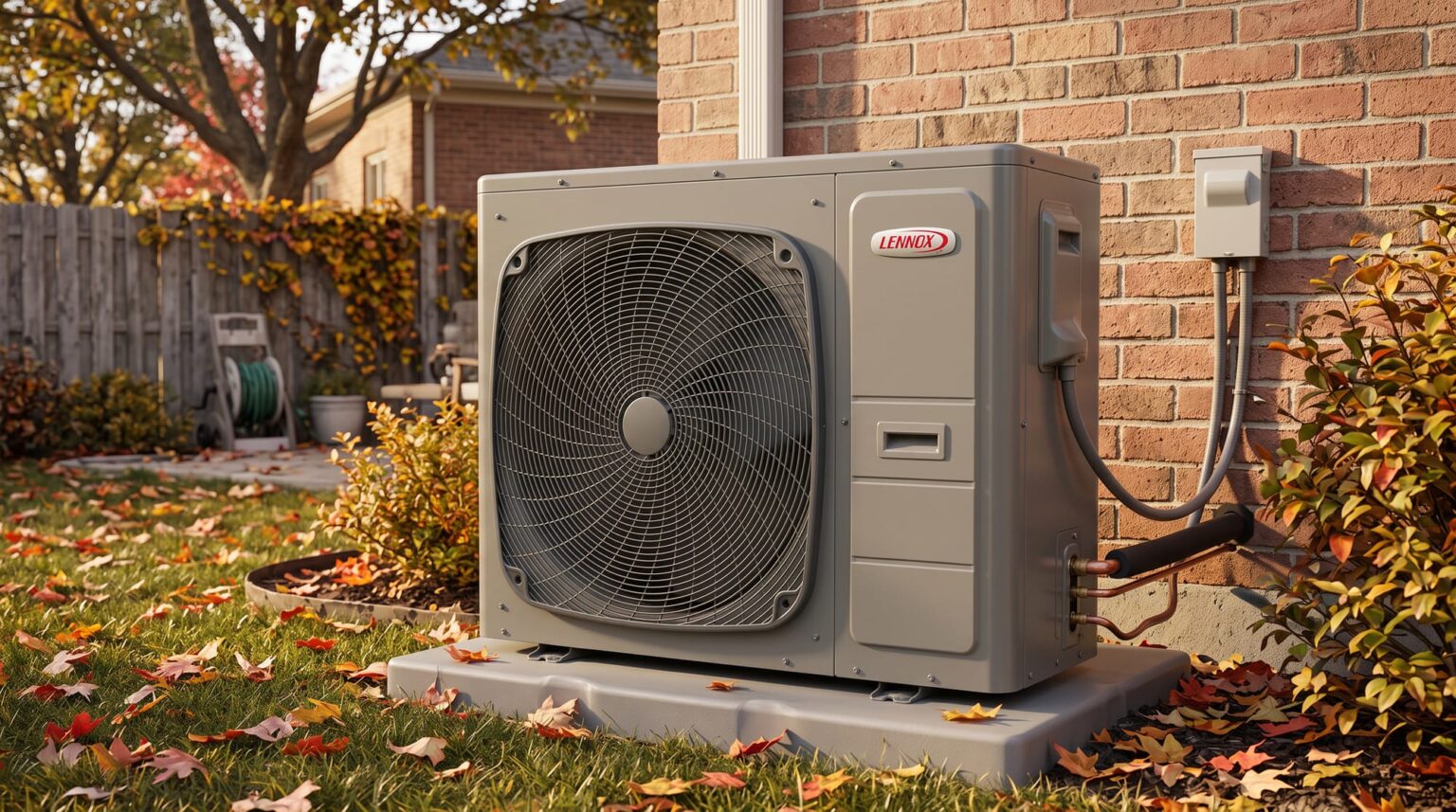
- Look around the outdoor unit. Note leaves, vegetation, snow, or visible ice without reaching through guards or removing panels.
- Record the symptoms. Photograph error messages and write down when the problem started, the operating mode, and whether it happens continuously or intermittently. (carrier.com)
Stop troubleshooting if you notice a burning odor, arcing, grinding, or repeated breaker trips. Shut the system off if you can do so safely and arrange professional service rather than repeatedly restarting it. Report water pooling around indoor equipment promptly, too, because drainage problems can damage the surrounding area. (carrier.com)
Leave refrigerant work to an appropriately certified technician. In the United States, EPA Section 608 certification is required for technicians performing covered work that could release regulated refrigerants, including adding or removing refrigerant. Do not attempt leak repairs or refrigerant charging yourself. (epa.gov)
How much does heat pump repair cost?
Heat pump repair costs depend on the failed component, diagnostic work, equipment access, and local labor charges. Smaller electrical repairs may cost a few hundred dollars, while major coil or compressor work can reach several thousand. Manufacturer-published estimates provide a budgeting reference, not a substitute for an itemized local quote. (trane.com)
Trane lists these approximate repair ranges:
|
Repair or replacement item |
Published estimated cost |
|---|---|
|
Capacitor |
$100–$400 |
|
Fan motor |
$200–$700 |
|
Defrost control board |
$200–$650 |
|
Compressor |
$900–$2,900 |
|
Evaporator coil |
$1,000–$5,000+ |
The difference between a minor control repair and a major coil replacement explains why a single “average repair cost” can be misleading. These figures are broad estimates; ask your contractor what the quoted price includes. (trane.com)
Before approving work, request a written scope covering the diagnosed fault, proposed parts, labor, refrigerant work if needed, and applicable fees. Ask whether the diagnostic charge is separate, whether warranty coverage applies, and what warranty accompanies the repair. For a costly recommendation, consider a second diagnosis before committing.
For a suspected refrigerant leak, ask how the contractor will locate and address the leak rather than simply adding refrigerant. Professional maintenance guidance includes both leak checks and measured verification of the refrigerant charge. A clear explanation helps you understand whether the proposal addresses the fault or only its immediate symptom. (webarchive-beta.loc.gov)
When is replacement better than another repair?
Replacement deserves consideration when repairs become frequent, performance remains poor, or a major repair would commit substantial money to aging equipment. ENERGY STAR identifies heat pumps over 10 years old, rising energy bills, and repeated repairs as reasons to evaluate replacement. These are evaluation signals, not automatic deadlines for discarding a working system. (energystar.gov)
Use the following decision checklist when comparing proposals:
- Warranty coverage: Ask what parts and labor remain covered under your existing agreement and what you would pay yourself.
- Repair history: Gather previous invoices so the contractor can distinguish an isolated failure from a recurring problem.
- Comfort concerns: Describe rooms that never reach temperature, excessive cycling, or persistent humidity problems.
- Complete installation scope: Request an explanation of sizing, airflow, controls, and any duct changes proposed with replacement.
- Expected ownership: Consider how long you plan to remain in the home and whether another interruption would create serious difficulty. (energystar.gov)
Avoid making the decision solely through a fixed repair-to-replacement percentage. Instead, compare a written repair proposal with a complete heat pump installation proposal and ask what each option will—and will not—solve. Proper installation matters to the performance you receive from replacement equipment. (energystar.gov)
Build a practical heat pump maintenance routine
Routine heat pump maintenance helps preserve airflow and gives technicians opportunities to identify developing problems. ENERGY STAR recommends inspecting filters monthly and cleaning or changing them as needed. Follow your manufacturer’s instructions rather than assuming every filter needs replacement on the same schedule. (energystar.gov)
Keep your routine manageable:
- Check filters monthly: Record the inspection date and replace or clean the filter according to its condition and equipment guidance.
- Keep airflow paths open: Remove obstructions from indoor registers and returns, and keep vegetation and clutter away from outdoor equipment.
- Watch drainage: Report indoor water accumulation and have the condensate drain inspected during service.
- Book professional checks: Have coils, electrical connections, controls, refrigerant charge, and blower operation evaluated as part of scheduled HVAC maintenance. (energystar.gov)
Arrange professional service at least annually, with seasonal checks planned before demanding heating or cooling weather. Ask what the visit includes: a useful inspection should go beyond a quick visual review and include appropriate operating measurements. Keep service records together so future technicians can see previous findings and repairs. (energystar.gov)
Choose service that fits your home and location
If you’re looking for heat pump repair in Philadelphia, ask contractors about experience with your specific equipment and how they evaluate both heating and cooling performance. Request availability, diagnostic fees, and written repair terms before scheduling. Avoid assuming that every company offering general HVAC repair has the same familiarity with your model or controls.
For a replacement quote, ask who will verify any applicable permits and whether utility incentives are available for the proposed equipment. Confirm eligibility directly before including an incentive in your budget; ENERGY STAR advises checking with local utilities for program details. Compare the full installed scope, not just the advertised equipment price. (energystar.gov)
Make the next decision with clear information
Start with safe checks, document what you observe, and request a diagnosis before authorizing parts replacement. Compare repair and replacement using written scopes, warranty information, comfort needs, and service history. Keep those records alongside your maintenance schedule so the next decision starts with evidence rather than guesswork.