
A slow drain feels like a minor inconvenience. It isn’t. For homeowners across central Maryland, a sink that takes a little longer to empty or a shower that pools around your feet is often the first warning sign of a plumbing problem that is actively getting worse beneath your feet. Left alone, what starts as a slow drain routinely becomes a full blockage, a sewage backup, or worse — a damaged sewer line that requires emergency excavation.
The good news is that slow drains caught early are almost always straightforward and affordable to fix. The bad news is that most homeowners wait too long. This guide covers exactly what’s causing your slow drain, why it matters more in Maryland’s older housing stock, and what you should — and shouldn’t — do about it.
What a Slow Drain Is Actually Telling You
A slow-draining sink or tub might seem like a small inconvenience, but in many homes it’s an early warning sign of a larger plumbing issue. What starts as water pooling in a sink can indicate a buildup deep within your pipes or developing problems in your sewer line. Bob Means Plumbing
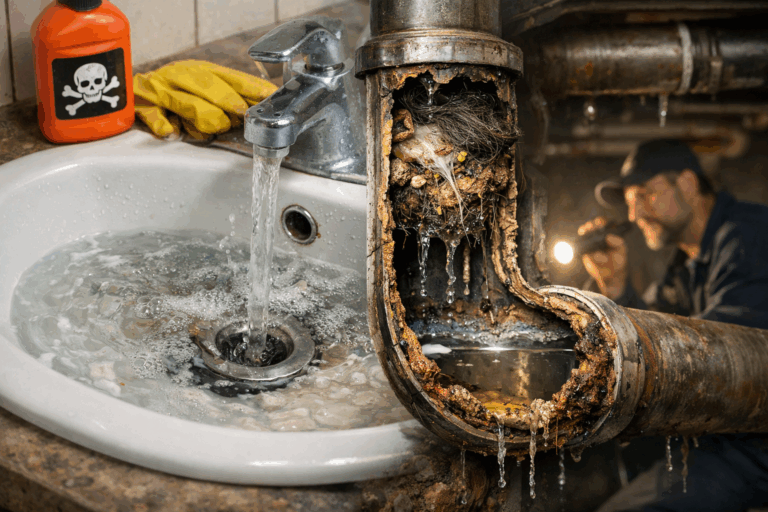
Slow drains have a short list of causes, and almost none of them resolve on their own. Buildup inside the pipe — soap scum, hair, grease, and mineral deposits — accumulate on pipe walls over time, narrowing the passage. Water slows. More buildup sticks. The problem compounds. Absolute Comfort
The critical thing to understand is that a slow drain is a symptom, not the problem itself. The actual problem is developing further down your line, and it has been developing for a while before you noticed.
The Most Common Causes of Slow Drains in Maryland Homes
1. Hair, Soap Scum, and Grease Buildup
The most common culprit in bathroom drains is a combination of hair and soap scum. In bathroom sinks, the combination of hair, toothpaste residue, and various grooming products bind together to create a sticky mass that acts like a net, catching even more debris as it passes through the pipes. Because bathroom sinks are used multiple times every single day, these clogs can form surprisingly quickly even in relatively modern homes. Goblackburn
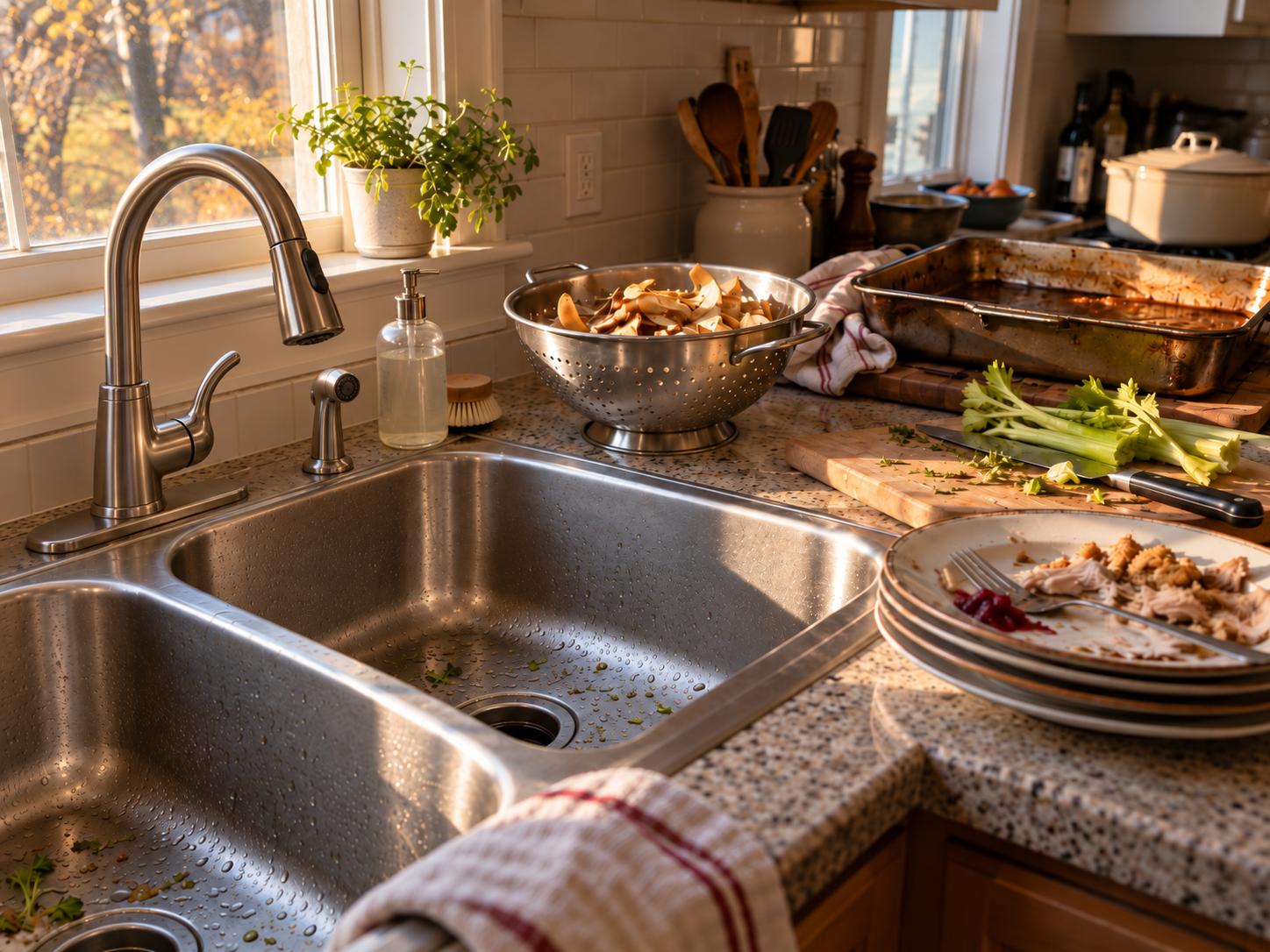
In kitchen drains, grease is the primary offender. Cooking fats and oils that go down the sink feel liquid when hot, but they solidify as they cool, coating the inside of your pipes. Over time that layer thickens, narrows the pipe, and creates a surface that catches food particles and debris on top of it.
2. Aging Pipes in Older Homes
This is where central Maryland homeowners face a particularly elevated risk. Much of the housing stock across Anne Arundel County, Baltimore County, and Howard County was built in the mid-20th century — and those homes still have their original plumbing.
Older galvanized steel or cast iron pipes are particularly prone to internal rusting, creating jagged surfaces that catch hair and grease more easily than modern PVC. Goblackburn In other words, even normal everyday use causes faster accumulation in aging pipes than it would in newer ones.
In homes with hard water and galvanized steel drain pipes — used in home construction until the mid-1970s — limescale can build up inside drain pipes, gradually restricting flow. Plumbline Services If your home has both hard water and older pipes, you’re dealing with two compounding problems at once.
3. Tree Root Intrusion
This is the slow drain cause that Maryland homeowners most often don’t see coming — and the one that can cause the most expensive damage.
Tree roots are constantly growing and expanding in search of water and nutrients. If there are any small cracks, joints, or weak points in the sewer line, the roots will exploit them, gradually infiltrating the pipe. Once inside, the roots continue to grow, thriving in the nutrient-rich environment of your sewer line. Alpha Plumbing
If your home was built before the 1970s, there’s a good chance you have old pipes — like clay or cast iron — connecting to the main sewer. Johns Sewer These materials are far more susceptible to root infiltration than modern PVC, and many established Maryland neighborhoods are full of mature trees whose root systems have had decades to find their way into underground lines.
Early-stage root intrusion can be one of the first signs of a slow drain. Root intrusion that’s caught early can sometimes be cleared and sealed. Caught late, it may mean a damaged or collapsed line and significant excavation. Absolute Comfort
4. Blocked or Damaged Plumbing Vents
Your plumbing system relies on vent pipes to equalize air pressure and let water flow freely. When vent pipes become blocked — due to debris, bird nests, or other obstructions — they create negative pressure that slows drainage throughout the home. Plumbline Services This is a less common cause but worth knowing about, because it produces slow drains at multiple fixtures simultaneously and won’t respond to drain cleaning at all.
5. Main Sewer Line Issues
A single slow drain often indicates a localized clog in that fixture’s pipe. But multiple slow drains might signal a larger issue in your main sewer line. Splash Plumbing If you’re noticing sluggish drainage in your bathroom sink, kitchen sink, and shower all around the same time, the problem isn’t at the fixture — it’s deeper, and it needs professional diagnosis.
Why Ignoring It Always Makes It Worse
This is the most important thing to understand about slow drains: a slow drain doesn’t stay a slow drain. Partial clogs become full blockages. Buildup that could have been cleared with a professional cleaning hardens or worsens, requiring more aggressive intervention. Standing water from a backed-up drain creates conditions for mold growth and water damage — costs that extend well beyond a plumbing repair. The pattern is consistent: the longer the delay, the more expensive the fix. Absolute Comfort
For Maryland homes specifically, the freeze-thaw cycles of mid-Atlantic winters add another layer of risk. Temperature fluctuations create a freeze and thaw cycle in the soil that can cause movement in underground pipes, increasing the risk of cracked pipes. Roto-Rooter A line that already has partial root intrusion or buildup is far more vulnerable to that kind of stress.
What NOT to Do: The Problem With Chemical Drain Cleaners
When a drain slows down, most homeowners reach for a bottle of chemical drain cleaner. It’s understandable — they’re cheap, convenient, and they often seem to work. But there’s a real cost to that quick fix, especially in older Maryland homes.
Chemical drain cleaners often contain harsh chemicals like sodium hydroxide (lye) and sulfuric acid that can corrode metal pipes, leading to leaks and potential failures. The heat generated during chemical reactions can also warp or melt plastic pipes, and chemical exposure can degrade seals and joints, increasing the risk of leaks. Reliable Air
These cleaners sit inside drain pipes and generate more heat and chemical activity than many plumbing materials were designed to withstand. They can react with existing corrosion in unpredictable ways, creating cracks in joints and weakening old pipes. Over time, even PVC pipes can fail due to repeated chemical exposure. BF Plumbing Bay Area
Houses with older plumbing face much bigger risks. Cast iron, clay, or old PVC pipes break down faster when harsh chemicals touch them. A simple clog can turn into collapsed pipes that need expensive replacement. Western Rooter & Plumbing
And critically, chemical cleaners don’t actually solve most drain problems. They may clear the immediate blockage while leaving the underlying buildup intact — and they have no effect whatsoever on root intrusion or vent issues. Absolute Comfort You get a temporary fix and a weaker pipe.
What You Should Do Instead
Start With a Plunger or Drain Snake
For minor, surface-level clogs — a hair buildup right below the drain cover, for example — a plunger or basic hand drain snake is the right first tool. These methods physically remove the blockage without introducing any chemicals to your pipes, and they’re effective for many common bathroom sink and shower clogs.
Install Drain Screens
Prevention is far cheaper than repair. Inexpensive mesh drain screens catch hair and debris before it ever enters your pipes. They’re available at any hardware store and take seconds to install. In a home with hard water and older pipes, this one simple step meaningfully reduces the rate of buildup.
Know When to Call a Professional
If a drain is still slow after basic home remedies, or if you’re noticing slow drains at multiple fixtures simultaneously, it’s time for a professional assessment. Multiple slow drains at once often point to a main line issue rather than individual fixture clogs — and that’s a different repair conversation entirely. Absolute Comfort
A licensed plumber has three tools that change the diagnosis picture completely:
Drain snaking clears mechanical blockages deeper in the line than any DIY tool can reach. Hydro-jetting blasts the inside of pipe walls with high-pressure water, removing years of accumulated buildup and restoring flow — without chemicals. Camera inspection is the most valuable tool of all. Camera inspection takes the guesswork out of diagnosis entirely — you know whether you’re dealing with buildup, a damaged pipe section, or root intrusion, and you can make an informed decision about next steps. Absolute Comfort
For Maryland homeowners with older homes near mature trees, a periodic camera inspection isn’t just reactive — it’s smart preventive maintenance.
Schedule Regular Drain Cleaning
Fix single slow drains promptly before the materials clogging them work their way deeper down your drainage system. And if you already have multiple slow drains, call a plumber promptly before the problem gets worse. Addressing the problem now can prevent more costly problems later. Plumbline Services
Professional drain cleaning once every year or two — depending on your home’s age and pipe materials — keeps buildup from reaching the point where it becomes a plumbing emergency.
Warning Signs That Require Immediate Attention
Don’t wait to call if you notice any of the following alongside a slow drain:
- Gurgling sounds from your toilet or other drains when a fixture is in use — this indicates a pressure problem in the main line
- Sewage odors coming from drains, which can indicate a broken or partially blocked sewer line
- Water backing up into the tub when the washing machine drains, or into other low fixtures
- Unusually green patches of grass in your yard above the sewer line — a sign that sewage is leaking underground and feeding the soil
- Soft or soggy spots in your yard even during dry weather
These signs, when combined with slow drainage, often precede major plumbing problems. Identifying these issues before they become emergencies can save homeowners thousands of dollars in restoration costs. Goblackburn
The Bottom Line for Central Maryland Homeowners
A slow drain is your plumbing system telling you something is wrong. In a region with hard water, aging housing stock, mature trees, and freeze-thaw seasonal stress, that message deserves to be taken seriously. The homeowners who act early — with a professional drain cleaning or a camera inspection — spend far less than those who wait for an emergency.
Don’t pour another bottle of chemical cleaner down the drain and hope for the best. Get a real answer about what’s happening in your pipes.
📞 Got a Slow Drain That Won’t Quit?
Scardina Home Services has been clearing drains and solving plumbing problems for Maryland homeowners for decades. Whether it’s a stubborn kitchen clog, a bathroom drain that keeps backing up, or a main sewer line you haven’t had inspected in years — our licensed plumbers will get to the bottom of it.
Our drain services include:
- Professional drain cleaning and hydro-jetting
- Sewer line camera inspections
- Root intrusion clearing and repair
- Full plumbing system assessments for older homes
Don’t wait for a backup to call us.
📱 Call Us: 410.782.0937 | 💻 Request Service Online
Serving Millersville, Annapolis, Baltimore, and communities throughout central Maryland.
Frequently Asked Questions About Slow Drains
Is one slow drain a big deal, or should I only worry if multiple drains are slow?
A single slow drain usually points to a localized clog in that fixture’s pipe — often hair and soap scum in a bathroom or grease buildup in a kitchen. It’s worth addressing promptly before the buildup hardens or moves deeper. Multiple slow drains at the same time are a more serious signal, often pointing to a main sewer line issue that requires professional diagnosis right away.
How do I know if tree roots are in my sewer line?
The most common signs are slow drains that keep coming back after clearing, gurgling sounds from your toilet, sewage odors from drains, and water backing up into the lowest fixtures in your home — like a basement floor drain or tub. If your home was built before the 1970s and you have mature trees in your yard, a camera inspection is the only way to know for certain. Catching root intrusion early is far less costly than waiting for a collapse.
Can I use chemical drain cleaners on my older Maryland home?
We strongly advise against it, especially in homes with galvanized steel, cast iron, or aged PVC pipes. The corrosive chemicals that dissolve clogs also attack your pipe walls, and repeated use accelerates deterioration — particularly at joints and bends where failures tend to happen. A plunger, drain snake, or professional drain cleaning is always the safer choice.
What is hydro-jetting and does my home need it?
Hydro-jetting uses high-pressure water to blast the inside of pipe walls clean, removing years of grease, mineral scale, and debris that a standard drain snake can’t reach. It’s particularly effective for older homes where buildup has accumulated over many years. A plumber will typically recommend it after a camera inspection confirms it’s appropriate for your pipe condition.
My drain is slow but I just poured Drano down it and it seems fine now. Do I still need a plumber?
It depends on how often this happens. If it’s a one-time occurrence, basic home maintenance may be enough. But if the same drain slows down repeatedly — even after chemical treatment — that’s a sign the underlying cause wasn’t addressed. Chemical cleaners often punch a temporary hole through a clog without removing it, meaning it rebuilds quickly. Recurring slow drains in the same fixture almost always indicate a problem that needs professional clearing or inspection.
How often should I have my drains professionally cleaned?
For most central Maryland homes with older pipe materials, professional drain cleaning every one to two years is a sensible preventive measure. If your home has had root intrusion issues before, or if you have mature trees near your sewer line, annual camera inspections are worth the investment to catch problems before they become emergencies.
How much does professional drain cleaning cost compared to emergency repairs?
Professional drain cleaning is typically a few hundred dollars depending on the scope of work. By contrast, a sewer line repair caused by advanced root intrusion or a collapsed pipe can run into the thousands — and emergency after-hours calls always cost more than scheduled service. The math strongly favors acting at the slow-drain stage rather than waiting for a backup.
Why does my drain smell bad even when it isn’t fully clogged?
Odors from drains — particularly a sewage or rotten egg smell — usually indicate one of two things: organic buildup in the pipe that is decomposing, or a partial blockage in the sewer line that is allowing sewer gases to escape back up through your drains. In either case it’s worth having a plumber investigate. Persistent sewage odors should never be ignored, as they can also indicate a cracked or damaged pipe. Call Scardina at 410.782.0937 or request service online and we’ll diagnose the source.