
Most homeowners don’t think about their plumbing until something goes wrong. A faucet that won’t stop dripping. A drain that backs up on a Sunday afternoon. A water heater that gives out in the middle of January. By the time any of those things happen, the problem has usually been developing for months — sometimes years — and what might have been a minor repair has turned into an urgent, expensive one.
A professional plumbing inspection is how you get ahead of that cycle. It’s a systematic, room-by-room evaluation of everything your plumbing system includes — visible pipes, fixtures, drains, the water heater, the main shutoff, sump pumps, and more — performed by a licensed plumber who knows exactly what to look for and what early warning signs actually mean.
This post walks through what a plumbing inspection covers, what a licensed plumber looks for in different areas of your home, what tends to surface in older central Maryland homes specifically, and when it makes sense to schedule one proactively.
What a Plumbing Inspection Is — and Isn’t
A plumbing inspection is not an emergency service call. It’s not a repair visit. And it’s not the same as the cursory walk-through a general home inspector does when you’re buying or selling a property.
A professional plumbing inspection conducted by a licensed plumber is a comprehensive evaluation of your home’s entire plumbing system — from the point where water enters your home to the point where waste leaves it. It covers pipes, valves, water heaters, and drains, assessed for leaks, corrosion, clogs, and drainage problems. The goal is to identify what’s working, what’s wearing out, what needs attention now, and what to watch going forward — before any of those things fail on their own terms. SafetyCulture
The cost of a plumbing inspection, which typically includes both a visual and camera inspection, ranges from $350 to $1,375. When compared to plumbing repair costs — which can average $1,000 to $4,000 for burst pipes and $600 to $4,500 for mainline water leaks — a professional inspection is a significantly better investment than waiting for something to break. Angi
What a Licensed Plumber Checks, Room by Room
The Main Water Supply and Shutoff Valve
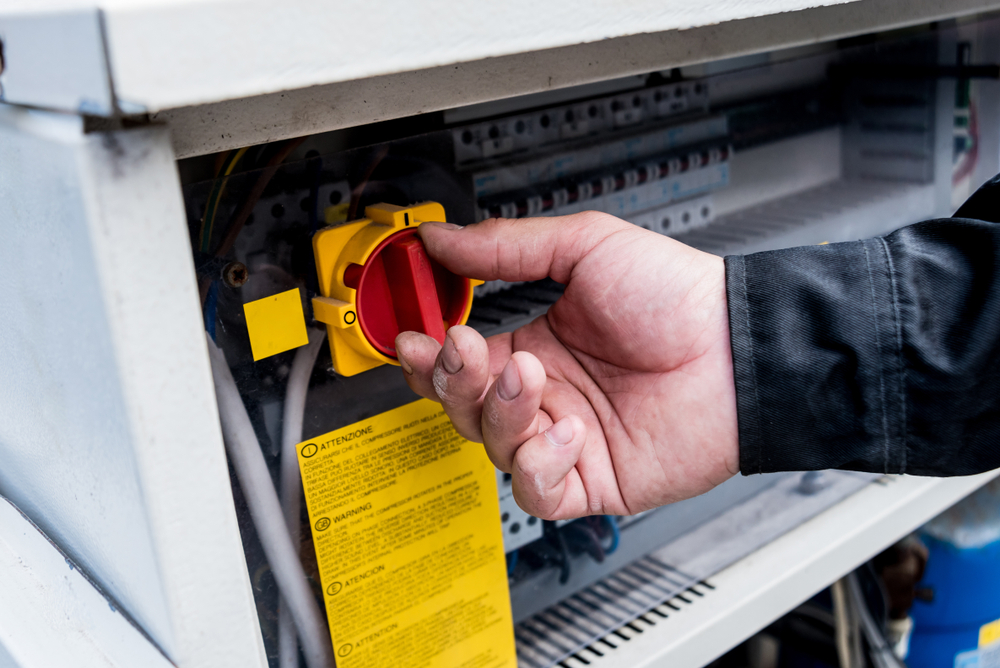
The inspection starts where your water does. A plumber will locate and assess the main water shutoff valve — checking for leaks, corrosion, and whether the valve can actually be operated in an emergency. A shutoff valve that’s difficult to turn indicates it may have frozen in place and could need replacement. They’ll also check whether the water meter continues to register even when the valve is shut, which helps identify leaks elsewhere in the system. Device Magic
Knowing where your main shutoff is and confirming it works properly is one of the most practical things that comes out of an inspection. When a pipe bursts or a fixture fails, being able to cut the water supply immediately is the difference between a manageable repair and a flooded basement.
Visible Pipes Throughout the Home
Any pipes that are accessible — in the basement, crawlspace, utility room, under sinks — are examined carefully. The plumber is looking for corrosion, staining, bulging joints, evidence of past leaks, inadequate insulation, and signs of improper repairs. Mixed pipe materials can signal an issue: polybutylene pipe systems with plastic fittings, for example, can be particularly problematic. Pipe insulation in unheated spaces — garages, crawlspaces, exterior foundation walls — is also checked to confirm pipes are protected from freezing temperatures. Device Magic
In central Maryland, this portion of the inspection carries extra importance for homes of certain ages. More on that below.
Water Heater
The plumber checks the water heater to ensure it’s in good working order and free of corrosion. For gas water heaters, this includes the gas supply line and a check for soot, which can signal a carbon monoxide risk. The water valves and connections on the unit are inspected, and the plumber listens for unusual sounds and confirms the temperature is set correctly to prevent scalding. Angi
Water heaters are one of the most common items that surface repair or replacement recommendations during an inspection — particularly in homes with hard water, where mineral buildup accelerates internal wear. A water heater that sounds like it’s rumbling when it runs, or that’s producing inconsistent hot water, is one that’s working harder than it should and approaching the end of its useful life.
Fixtures: Faucets, Toilets, Showerheads, and Supply Lines
The plumber runs water through fixtures and checks them for leaks, loose connections, and low water pressure, inspecting the caulking as well to ensure there are no issues that could lead to water damage over time. Angi
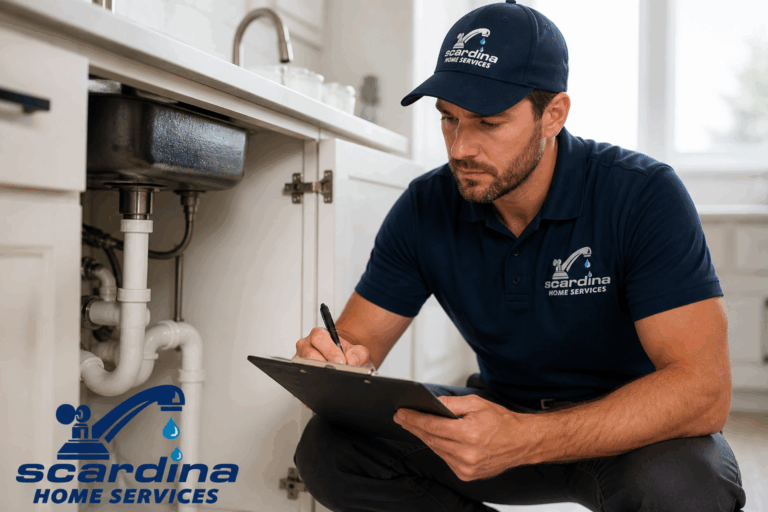
Toilets are inspected for running, loose connections at the base, and flapper condition. Under every sink, the supply lines and drain connections are checked for drips, corrosion, and the presence of any flexible hoses that may be aging out — braided supply lines have a lifespan, and a failed one under a sink can release a significant amount of water before anyone notices.
Drains
Every drain in the home is tested. A comprehensive inspection involves checking drains for speed and blockages throughout the home — slow drainage is one of the most common early indicators of a developing clog or a problem deeper in the drain line. Cactusplumbingandair
A slow drain in one fixture usually means a localized clog. Slow drains in multiple fixtures simultaneously often point to a problem further down the line — a partial blockage in a shared drain stack, or an issue with the main sewer line. A plumber knows the difference and what the next step looks like.
Sewer Line and Main Drain
This is the area that surprises homeowners most, because it’s completely invisible during daily use. The sewer main line should be inspected by a professional to ensure it’s in good shape and not damaged or clogged. For homes on private septic, the tank and leach field should also be evaluated for leaks and to determine whether pumping is necessary. Angi
Camera inspection of the sewer line — where a small camera is fed through the pipe to view its interior — is the only way to see what’s actually happening underground. Root intrusion, pipe collapse, significant buildup, and offset joints can all develop without any obvious surface symptoms until they cause a backup or failure. For older homes, camera inspection of the sewer line is strongly recommended as part of any comprehensive inspection.
Sump Pump
For homes in central Maryland — where basements are common and storm events bring significant water — the sump pump is a critical component. An inspection confirms the pump operates correctly, that the float switch triggers properly, that the discharge line is clear and draining away from the foundation, and that the pit itself is free of debris. Battery backup systems, where present, are tested as well.
A sump pump that’s never been inspected or serviced is a sump pump that may not work when you actually need it.
Water Pressure
Inspectors gauge water pressure at different fixtures to confirm it falls within the normal range — between 40 and 60 psi. High pressure causes accelerated wear on appliances, fixture seals, and pipe joints. Low pressure can indicate concealed leaks, significant mineral buildup inside pipes, or issues with the pressure regulator. Elite Group Inspections
Pressure that’s too high is one of the most underappreciated causes of plumbing problems in residential homes, because it’s invisible until something gives way.
What Plumbers Look for Specifically in Older Central Maryland Homes
Central Maryland has a large stock of homes built in the postwar decades — from the 1950s through the 1990s. Homes of these ages have specific plumbing concerns that a professional inspector is trained to identify.
Galvanized Steel Pipes
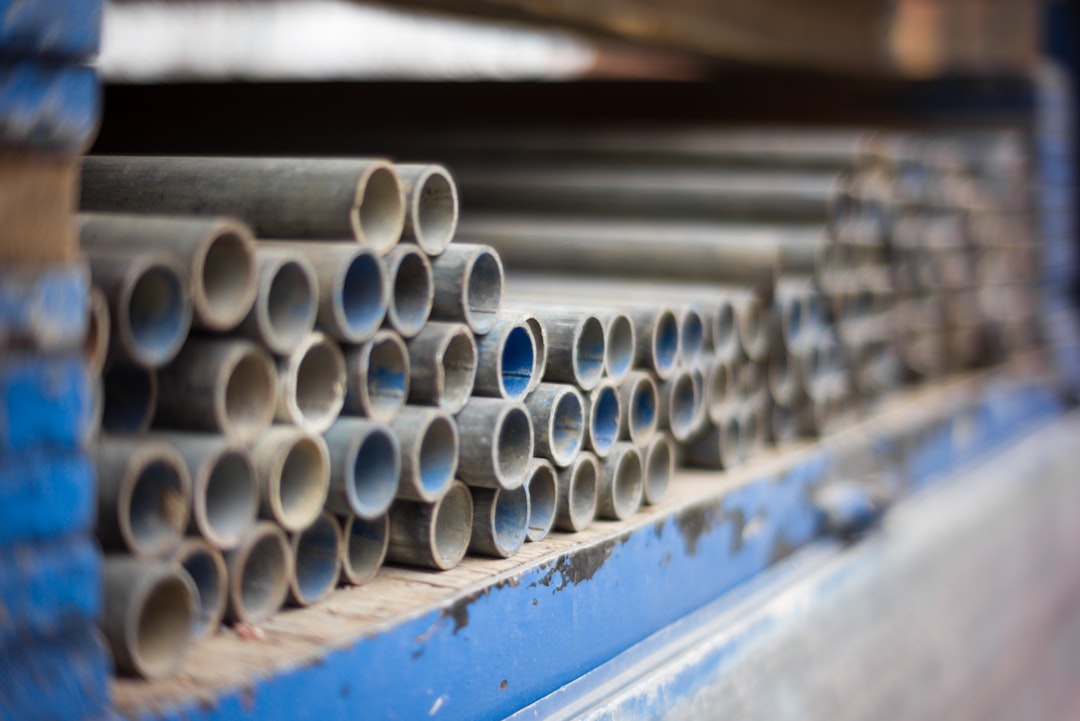
Galvanized pipes were widely used in homes built before the 1960s. Over time, these pipes corrode internally, which restricts water flow, causes rust-colored water, and eventually leads to leaks or pipe failure. Because of their average life expectancy of 40 to 50 years, if you have not already replaced galvanized piping in your older home, you are likely already experiencing water pressure and water quality issues. Visible rust around pipe joints and a gray or silver color when scratched are common identifiers. MarylandplumbingservicesEzflowplumbingaz
Polybutylene Pipes
This one catches homeowners of 1980s and early 1990s homes off guard. Polybutylene (PB) piping was installed in 6 to 10 million homes between the late 1970s and mid-1990s. It was favored for its low cost and ease of installation, but reacts with chlorine and other common disinfectants used in municipal water — causing pipes to become brittle and prone to failure over time. Fresh Water Systems
The danger is that deterioration happens from within and cannot be detected by looking at the pipe’s exterior. Small fractures deepen over time and eventually work their way through, and leaks behind drywall can go unnoticed for long periods, causing mold and water damage. InterNACHI
Most home insurance policies won’t cover damage caused by PB pipes, and some insurers may deny coverage entirely or require full replacement before insuring the home. If your home was built between 1978 and 1995 and you’ve never had the plumbing professionally evaluated, this is reason enough on its own to schedule an inspection. Polybutylene pipes are typically gray in color and marked with “PB.” Fresh Water Systems
Lead Pipes and Lead Solder
Some older homes still have lead service lines or lead solder. Lead is hazardous to human health and should be replaced immediately if discovered. The EPA identifies lead pipes, faucets, and fixtures as the most common sources of lead in drinking water, and the risk is highest in homes built before 1986 — when lead was banned from new plumbing installations. Marylandplumbingservices
Aging Drain and Sewer Lines
Tree roots are a common culprit in older properties: roots naturally grow toward moisture sources and can infiltrate small cracks in sewer pipes. Once inside, they expand and create blockages that cause slow drains or sewage backups. Modern trenchless repair methods allow plumbers to repair or replace sewer lines with minimal disruption to landscaping. Marylandplumbingservices
Cast iron drain lines in older homes are also prone to rust buildup and eventual collapse. A camera inspection is the only reliable way to assess their condition.
What Triggers a Repair Recommendation vs. a “Watch List” Finding
Not everything a plumber finds during an inspection needs immediate action. A professional inspection produces a clear picture of the plumbing system organized by urgency — and understanding the difference between the categories helps you plan and budget appropriately.
Immediate attention is recommended when there’s an active leak, a confirmed safety concern (gas water heater with soot, lead pipes, polybutylene with visible deterioration), a sump pump that doesn’t operate, or water pressure significantly outside the safe range. These are issues that carry real risk of damage, health impact, or failure in the near term.
Repair before next season typically covers things like a water heater approaching end of life, supply lines showing corrosion, a toilet with a degraded flapper wasting water continuously, or drain lines that are partially obstructed but still functional. Addressing these on a planned basis is significantly less expensive than waiting for them to fail.
Monitor and reassess is the finding for things that are aging but not yet problematic — older copper pipes in good shape, a sump pump that works but is more than a decade old, mineral buildup that hasn’t yet affected pressure meaningfully. These go on a watch list with a recommended reassessment timeline.
When to Schedule a Plumbing Inspection Proactively
A professional plumbing inspection isn’t just for emergencies or crisis prevention. There are several specific situations where scheduling one proactively makes clear practical sense.
Before buying a home. A general home inspector provides a broad overview of a property, but plumbing is specialized enough that a dedicated plumbing inspection by a licensed plumber is worth scheduling separately — particularly for homes built before 1995. Discovering polybutylene pipes, a failing sewer line, or a water heater at the end of its life before closing gives you real negotiating leverage and prevents expensive surprises in your first months of ownership.
Before a kitchen or bathroom remodel. Any remodeling project that involves moving or adding plumbing fixtures is an opportunity to assess the condition of the supply lines, drain lines, and shutoff valves in that area of the home. Starting a remodel and discovering that the pipes behind the wall need to be replaced partway through is costly in both money and time. An inspection beforehand lets you plan for it.
After a hard winter. Central Maryland winters periodically deliver the kind of cold that stresses pipes — particularly in homes with uninsulated runs in crawlspaces or garage walls. A post-winter inspection can surface any freeze damage, joint movement, or hairline cracks that developed over the season before they become active leaks.
When you’ve never had one done. If you’ve lived in your home for years — or bought a home without a dedicated plumbing inspection — and have no documented record of the system’s condition, that’s sufficient reason on its own. Plumbing issues develop slowly and silently. An inspection gives you a current baseline and peace of mind about what you’re working with.
When you notice something is off. Slow drains. Inconsistent water pressure. A water heater that’s taking longer to recover. Unexplained increases in your water bill. Any of these can be symptoms of a developing problem that an inspection can identify and locate before it escalates.
What Happens After the Inspection
A professional inspection results in a clear, documented assessment of your plumbing system. You’ll know what’s working well, what needs attention and on what timeline, and what to watch going forward. From there, any recommended repairs can be scheduled and estimated — and you’re in control of the sequence and timing, rather than reacting to an emergency.
For central Maryland homeowners, an annual professional plumbing inspection is a reasonable maintenance practice given the age of the regional housing stock, the effects of hard water on pipes and appliances, and the basement flooding risk that comes with the area’s weather patterns. It’s a relatively small investment that consistently surfaces problems when they’re still minor — and keeps them from becoming major.
Schedule Your Plumbing Inspection with Scardina Home Services
Scardina Home Services provides professional plumbing inspections for homeowners throughout central Maryland — including Glen Burnie, Severn, Crofton, Gambrills, Odenton, Pasadena, Annapolis, Severna Park, Arnold, and the surrounding communities in Anne Arundel County and beyond.
Our licensed plumbers give you a straight answer about what they find, what it means, and what your options are — without pressure and without guesswork.
Call us at 410.782.0937 or request your inspection online to get scheduled.
Frequently Asked Questions
How long does a professional plumbing inspection take?
For a typical single-family home, a thorough plumbing inspection takes between one and two hours. Larger homes, homes with more complex systems, or inspections that include sewer camera work may run longer. A plumber should never rush through an inspection — the value is in the thoroughness.
Does a plumbing inspection include the sewer line?
It depends on the scope you request. A visual inspection covers all accessible interior plumbing. A camera inspection of the sewer line is a separate — and recommended — add-on, particularly for homes built before the 1990s. Ask specifically whether sewer camera work is included when you schedule.
My home just had a general inspection when I bought it. Do I still need a plumbing-specific inspection?
Yes, in most cases. General home inspectors provide a broad overview but are not licensed plumbers and are not evaluating your plumbing system to the depth a specialist would. A dedicated plumbing inspection is more thorough, more specific, and more likely to surface issues that a general inspector would flag as “recommend further evaluation by a licensed plumber” anyway.
What’s the difference between a plumbing inspection and a maintenance visit?
An inspection is a diagnostic process — it evaluates the condition of your system and produces findings and recommendations. A maintenance visit typically involves specific tasks: flushing the water heater, cleaning aerators, servicing fixtures. The two often overlap, but an inspection is the appropriate starting point if you don’t have a current picture of your system’s condition.
How often should I have a professional plumbing inspection done?
A comprehensive inspection from a licensed plumber is highly recommended once a year to assess the overall health of the system. For older homes — particularly those built before 1990 — annual inspections are a reasonable standard. Homes with newer plumbing in good documented condition can sometimes extend to every other year, but an annual check gives you the most current picture and the best chance of catching developing issues early. Cactusplumbingandair
What if the inspector finds something serious?
A plumber who finds a significant issue during an inspection should explain it clearly, describe why it matters, and give you a clear picture of your options — including what happens if it’s addressed now versus later. You’re never obligated to proceed with any repair on the spot. The goal of the inspection is to give you information, not to pressure you into an immediate decision.
Scardina Home Services | 8082 Veterans Highway, Millersville, MD 21108 | 410.782.0937 | scardinahome.com/services/plumbing/plumbing-inspections